
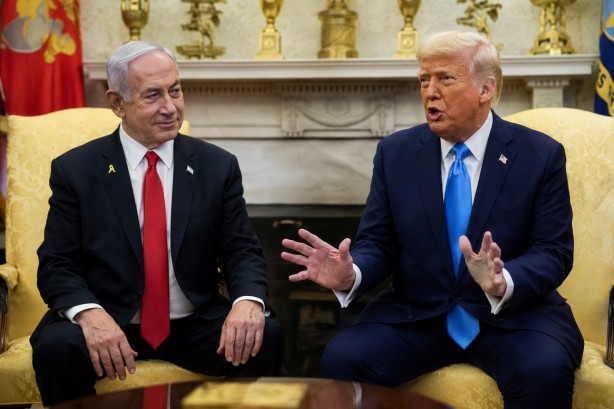
In a clear dismissal of calls related to an International Criminal Court (ICC) arrest warrant, US President Donald Trump has stated that Israeli Prime Minister Benjamin Netanyahu will not face arrest during any future visit to the United States. This announcement comes in response to New York City Mayor Zohran Mamdani’s comments about exploring legal avenues concerning Netanyahu’s anticipated visit to New York for the UN General Assembly in September. Mamdani has argued for accountability regarding allegations of war crimes in Gaza against the Israeli leader.
Trump made his stance known through a social media post, asserting that Netanyahu “will not be arrested in any way, shape, or form” while in the US. The President also took the opportunity to criticize Iran and praised Netanyahu’s contributions to regional security. This position highlights the ongoing tensions between the US and the ICC, as well as the broader international debate over the court’s jurisdiction and authority.
Legal experts have raised questions about the powers of New York City authorities to detain a foreign head of government. The United States, not being an ICC member, has federal laws that prevent local governments from cooperating with the court. This legal backdrop complicates any potential actions that might be considered on the part of city officials.
The ICC issued arrest warrants in 2024 for both Netanyahu and former Israeli defense minister Yoav Gallant, accusing them of involvement in alleged war crimes and crimes against humanity. Both Israel and the United States have vehemently rejected these charges. The Trump administration has been particularly vocal in its opposition to the ICC, even imposing sanctions on the court earlier this year, arguing that its actions infringe upon US sovereignty.
Netanyahu’s office has responded to Mamdani’s statements with criticism, urging the mayor to prioritize addressing issues within New York City rather than pursuing legal action against the Israeli prime minister. The situation underscores the complex interplay of international law, diplomacy, and domestic politics, as leaders navigate these challenging geopolitical waters.