
Southeast Asia is facing mounting pressure to strengthen climate adaptation measures as powerful storms, floods, and landslides continue to devastate communities across the region. Experts warn that extreme weather, now amplified by global warming, is displacing thousands and causing unprecedented damage to infrastructure, homes, and farmlands.
This year’s typhoons and heavy monsoon rains have hit Indonesia, Malaysia, Thailand, and Vietnam with unusual intensity. Meteorological projections indicate above-average rainfall through January, fueled by shifting oceanic climate patterns. Analysts say these conditions are becoming the new normal, making adaptation—not just emission reductions—an urgent priority.
Environmental specialists stress that adaptation strategies must be tailored to local conditions. Projects such as flood mapping and disaster planning require community participation because residents best understand their landscapes, risks, and vulnerabilities. Experts also caution that policies must move away from top-down decision-making and instead incorporate traditional knowledge, community experience, and local environmental insight.
The human toll of recent disasters underscores the need for immediate action. Deadly floods and landslides have swept through parts of Vietnam, Indonesia, Thailand, and Malaysia, killing hundreds and displacing tens of thousands. These crises have intensified demands for increased climate adaptation funding from developed nations. Recent global climate negotiations concluded with promises to significantly boost financial support for adaptation initiatives over the next decade.
Deforestation remains a critical factor worsening climate impacts. Large-scale clearing of forests across Southeast Asia has increased the frequency and severity of floods and landslides during heavy rainfall. Indonesia alone accounts for most of the region’s forest loss, accelerating vulnerability to extreme weather events. Experts argue that adaptation must include environmental protection and long-term sustainability measures to reduce disaster risks.
Climate campaigners emphasize that adaptation is not simply about surviving storms but ensuring communities can thrive despite a changing climate. They argue that climate resilience should be integrated into a broader shift toward low-carbon, sustainable economic development across the Global South.
Southeast Asia Races to Boost Climate Adaptation as Disasters Intensify
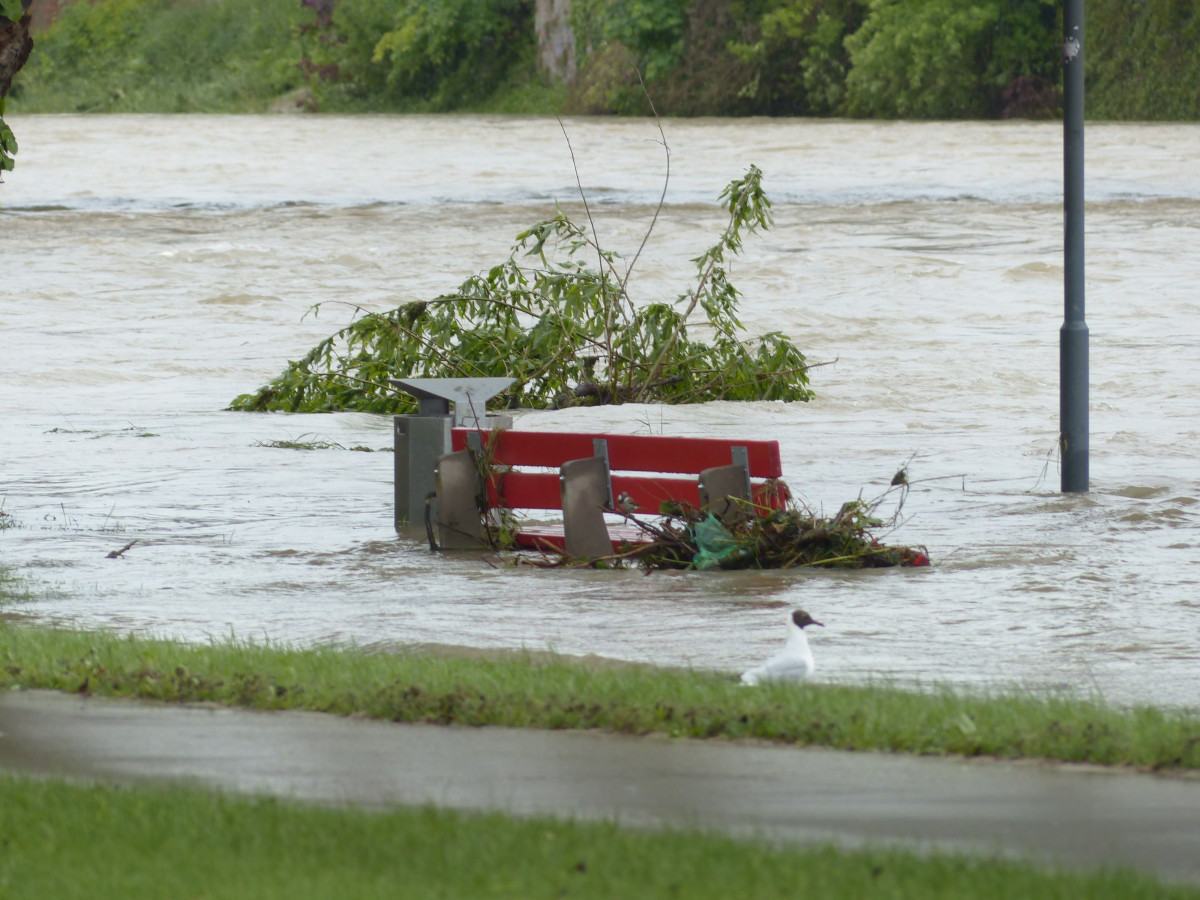
Picture Credit: www.pxhere.com
12