
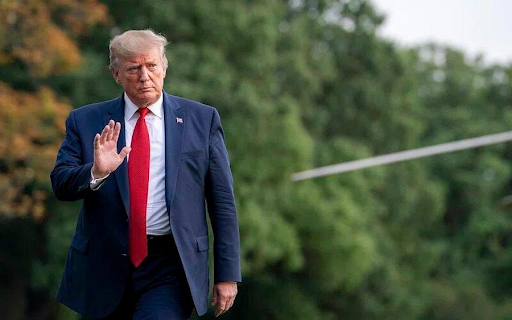
President Donald Trump has adopted a “closing window” narrative in public messaging about Ukraine-Russia peace negotiations, framing Thursday’s warning to Ukraine as reflecting a limited-time opportunity that may not remain available if Kyiv continues deliberating without reaching decisions. Speaking from the Oval Office, Trump suggested that Russia’s current engagement in negotiations operates within a potentially narrow timeframe, effectively characterizing the situation as approaching a now-or-never moment for achieving diplomatic resolution.
The closing-window framing serves Trump’s strategic objective of pressuring Ukraine toward accepting difficult terms by arguing that alternatives to current conditions will be worse, not better. By suggesting that the diplomatic opportunity is time-limited and potentially disappearing, the president attempts to overcome Ukrainian inclinations toward thorough deliberation before committing to compromises. This narrative creates psychological pressure beyond the substance of specific terms, adding temporal urgency to an already complex negotiating environment.
The weekend’s Miami meetings between Trump’s envoys and Russian officials will test the accuracy of Trump’s closing-window narrative. Steve Witkoff and Jared Kushner, who recently completed intensive Berlin consultations with Ukrainian representatives, will engage Russian officials to assess whether Moscow demonstrates flexibility that would make Trump’s urgency justified or whether Russian positions remain as rigid as in previous rounds. The Miami discussions will reveal whether the window Trump describes is genuinely closing or whether his narrative primarily serves as pressure tactic.
Ukrainian President Zelensky and US officials have offered generally positive assessments of recent negotiating rounds, though details remain closely guarded for strategic reasons. However, Ukraine’s fundamental position on territorial integrity has been stated publicly and repeatedly: no peace settlement will involve Ukrainian recognition of Russian sovereignty over any Ukrainian territory. Ukrainian officials have been particularly emphatic about the Donbas region, which has been central to the conflict since 2014, suggesting that even a genuinely closing window may not overcome principled objections to territorial concessions.
Russia’s negotiating demands center on territorial recognition that Ukraine categorically rejects. Moscow currently exercises control over Crimea, annexed in 2014, and substantial portions of Donetsk, Luhansk, Zaporizhzhia, and Kherson, occupied during the 2022 invasion. Russian negotiators insist not only on Ukrainian recognition of these territorial changes but also on complete Ukrainian military withdrawal from the entire Donbas region, including areas currently under Kyiv’s control. According to US officials familiar with the negotiations, Russian representatives have shown minimal interest in moderating these territorial requirements. Trump’s closing-window narrative creates dramatic urgency around negotiations, yet this framing confronts the reality that even a genuinely time-limited opportunity still contains terms—territorial concessions—that Ukraine has declared unacceptable, raising questions about whether the window Trump describes offers a path to agreement or merely a path to Ukrainian capitulation on core principles, which may explain Ukrainian resistance to Trump’s pressure despite his dire warnings about missed opportunities.
Trump’s Closing Window Narrative: President Frames Ukraine-Russia Peace as Now or Never
Picture Credit: www.rawpixel.com
43