
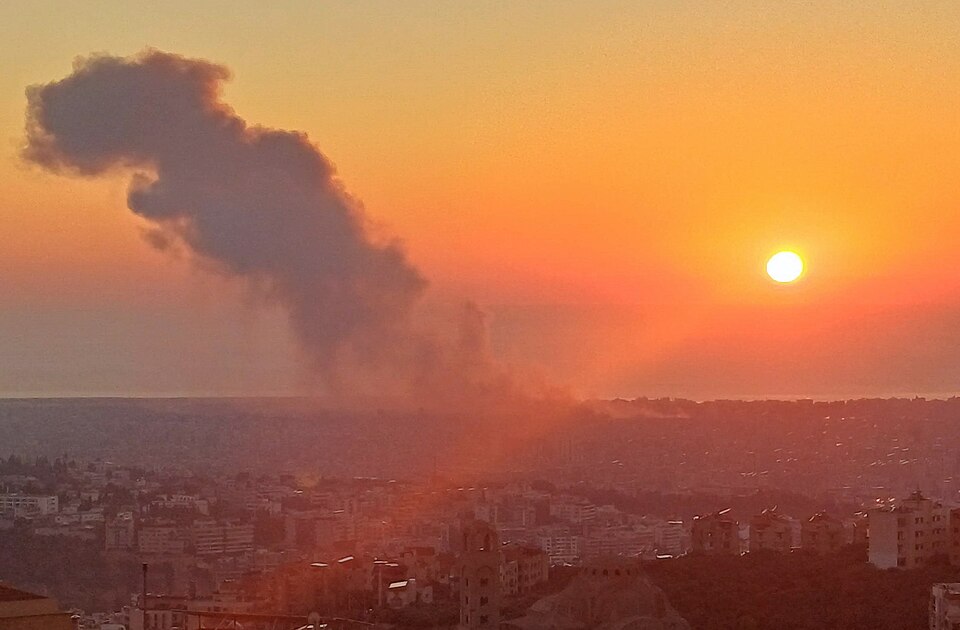
In a bid to stabilize the region, Israel and Hezbollah have agreed to reinstate a delicate ceasefire following a recent escalation in hostilities along the Lebanon-Israel border. The renewed violence had threatened to derail regional stability and interrupted diplomatic efforts between the United States and Iran.
The conflict intensified when Hezbollah initiated attacks against Israeli forces in southern Lebanon, leading to the deaths of several Israeli soldiers. In retaliation, Israel launched extensive airstrikes aimed at Hezbollah’s positions, resulting in numerous casualties and considerable destruction in the area.
This surge in violence prompted the delay of crucial discussions between the U.S. and Iran, which were set to take place in Switzerland. These talks were expected to address the implementation of a newly signed framework agreement on Iran’s nuclear program and other regional security concerns.
Despite the recent tensions, both Israel and Hezbollah have expressed a willingness to de-escalate and adhere to the ceasefire terms. Officials from both parties have indicated that a further escalation could be avoided if the truce is maintained.
The reestablishment of the ceasefire is viewed as a crucial step in safeguarding diplomatic initiatives aimed at easing tensions in the region. Nevertheless, ongoing disputes over security protocols in southern Lebanon and broader geopolitical issues continue to present obstacles to achieving lasting peace.