
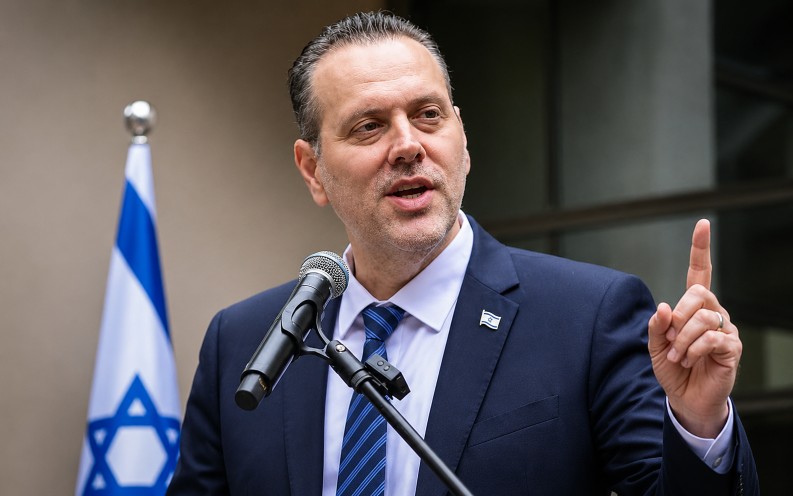
In a recent development, Israeli Prime Minister Benjamin Netanyahu is expected to adhere to any verdict issued by the High Court of Justice, according to Culture and Sports Minister Miki Zohar. This statement aims to quell concerns about the government potentially instigating a constitutional crisis. The situation unfolded following the cabinet’s endorsement of a resolution that disputes a High Court ruling. This ruling permitted the Council of the Second Authority to continue its operations despite not meeting the required quorum, a decision that the government argues is inconsistent with existing laws.
The core of the controversy lies in the government’s stance that all state institutions, judiciary included, must function within the legal framework. Zohar emphasized that the cabinet’s resolution was designed to avert a constitutional crisis rather than provoke one. This has sparked significant backlash from opposition figures and legal analysts, who criticize the government’s actions as undermining the judiciary’s authority.
President Isaac Herzog voiced strong objections, warning that ignoring High Court decisions would breach a significant “red line.” Similarly, former Prime Minister Naftali Bennett cautioned that such actions risk plunging the country into constitutional disarray and weakening its democratic institutions. These sentiments reflect broader concerns among critics who see the government’s moves as an attempt to exert political influence over media regulation through control of the broadcasting council.
The dispute particularly impacts the Council of the Second Authority’s involvement in assessing a proposed acquisition of Channel 13. Critics argue that the government’s actions represent an effort to assert control over media regulations, raising alarms about the potential consequences for media independence and the balance of power within Israeli governance. As tensions rise, the situation underscores ongoing debates about the separation of powers and the role of the judiciary in upholding democratic principles.