
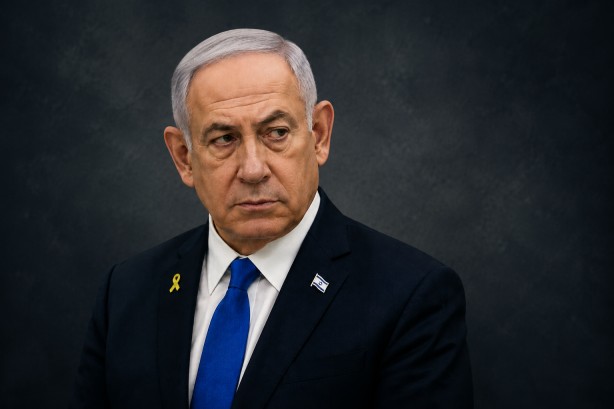
Criticism of Prime Minister Benjamin Netanyahu is mounting among Israeli media outlets as tensions with Türkiye continue to escalate. Concerns are being raised about the potential for a new regional conflict due to his government’s policies. The scrutiny intensified after Israel conducted a strike on Syria’s Abu al-Duhur military air base on August 18, prompting calls for a more diplomatic approach and a coherent regional strategy.
Reports suggest that the possibility of a conflict with Türkiye could lead to significant political and military repercussions for Israel. Analysts have highlighted the importance of diplomatic efforts to prevent further escalation. There is a growing push for Israel to clarify its regional strategy amid the rising tensions.
In parallel, Syrian Foreign Minister Asaad Hassan al-Shaibani announced that Syria has ceased communication with Israel following the recent attack, expressing distrust towards the Israeli government. He reiterated Syria’s commitment to continue its defense cooperation with Türkiye, which includes military training and support, signaling a strengthening of ties between the two nations.
Amid these developments, Turkish Foreign Minister Hakan Fidan has downplayed the likelihood of a direct confrontation between Türkiye and Israel. However, he accused Netanyahu of using increasingly aggressive rhetoric, attributing it to domestic political pressures. This statement highlights the complex dynamics at play as the region navigates through heightened tensions.
Within Israel, there is concern about the implications of escalating tensions with Ankara, with some senior officials wary of the potential risks. The situation underscores the importance of adopting a balanced approach that prioritizes diplomacy to avoid opening another contentious front in Israel’s regional dealings.