
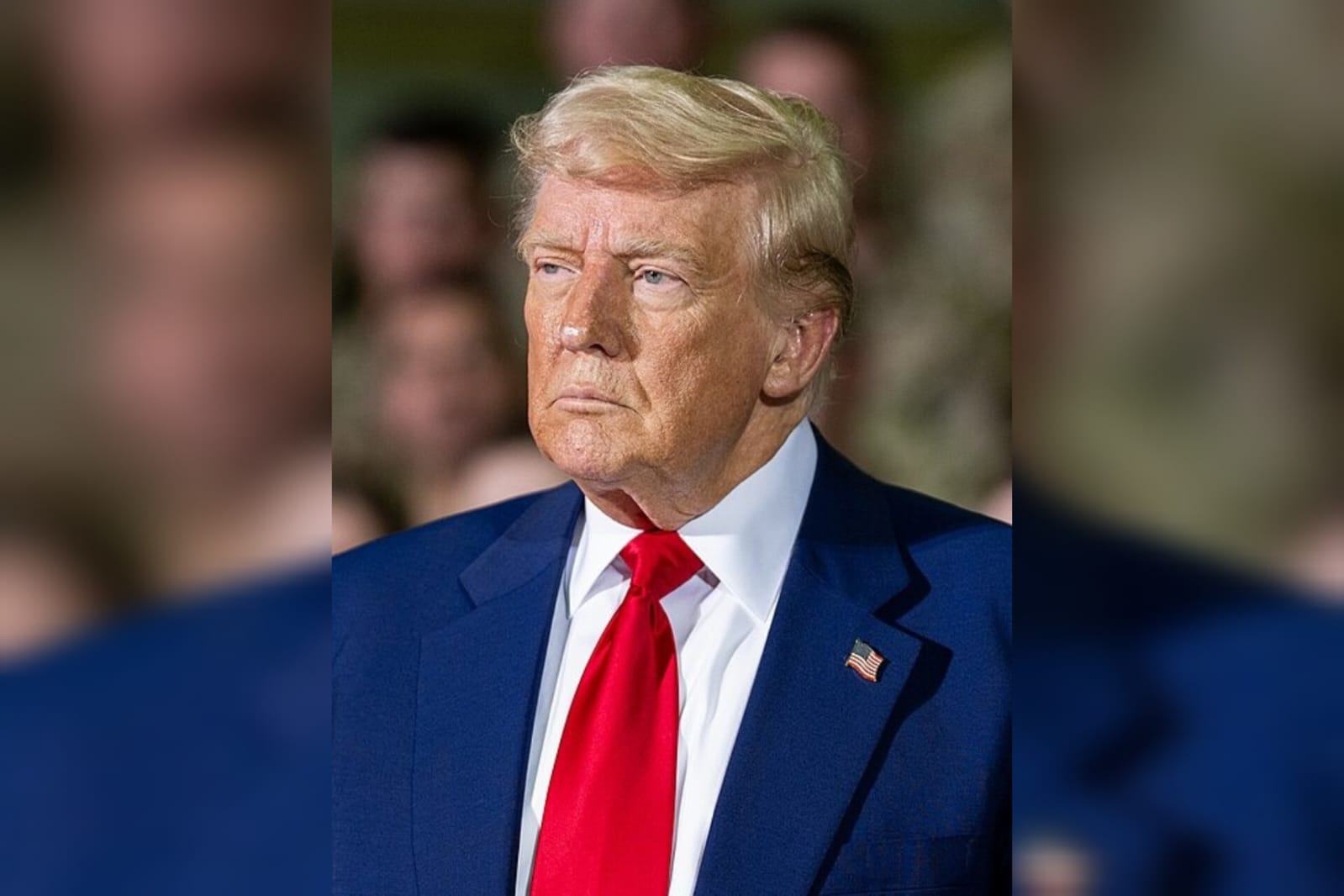
The United States and Iran have announced the immediate activation of a newly signed memorandum of understanding, signaling a significant move towards ending tensions in West Asia. This development comes as U.S. President Donald Trump confirmed his personal endorsement of the agreement at a dinner held at the Palace of Versailles following the G7 summit. Both American and Iranian officials have verified that the document was finalized through electronic signatures by senior representatives of the two countries.
The agreement aims to reopen the Strait of Hormuz, a crucial maritime passage for global oil shipments that has faced disruptions amid ongoing conflicts. It also lays out provisions for the swift removal of sanctions on Iranian oil exports, allowing Tehran to resume its energy trade under specific new conditions. Additionally, the deal outlines a 60-day negotiation window to address Iran’s nuclear program, with plans for further discussions on long-term verification processes and regional security measures. Both nations view this as a step-by-step approach rather than a conclusive resolution.
A potential large-scale reconstruction fund for Iran, supported by regional partners, is also included in the framework, pending a final nuclear agreement. However, the United States has stressed that any extensive financial aid will be contingent on Iran’s adherence to the terms and further diplomatic advancements. This agreement has been lauded by supporters as a breakthrough that could stabilize global energy markets and ease regional tensions.
Despite its promise, the deal has its skeptics, who express concerns over its implementation and the lasting impact it may have, particularly in terms of enforcing nuclear limitations and maintaining regional security commitments. As the agreement enters its initial phase, both parties face the challenge of navigating complex diplomatic waters to ensure compliance and build towards a comprehensive and lasting peace.