
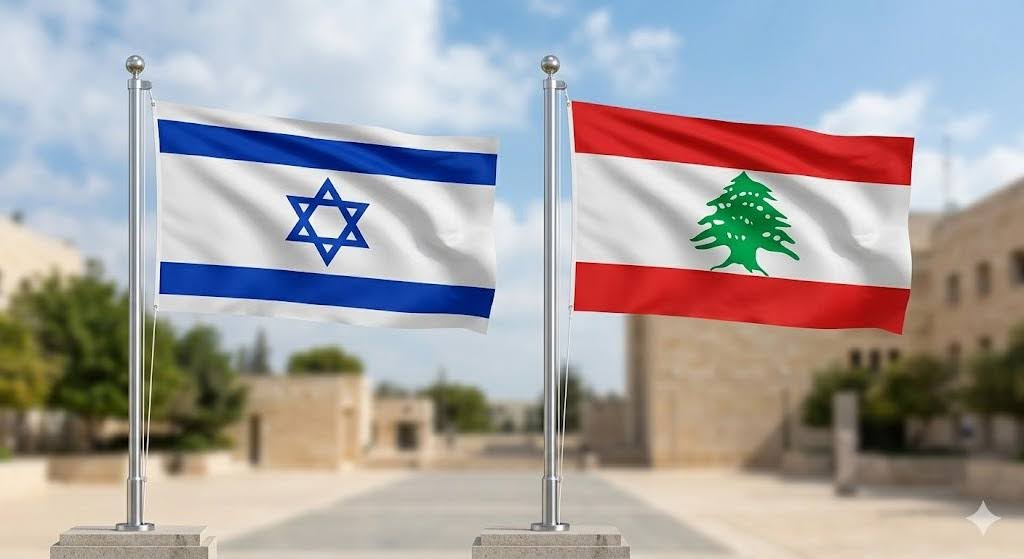
Israel and Lebanon have reached an agreement to renew a ceasefire designed to halt ongoing hostilities along their border, marking a significant diplomatic effort to ease tensions in the Middle East. The agreement mandates that Hezbollah fighters cease their attacks and retreat from territories south of the Litani River in southern Lebanon. Additionally, the deal outlines the establishment of pilot security zones, which are to be exclusively controlled by the Lebanese Armed Forces, thereby restricting the presence of non-state armed groups in these areas.
Despite the announcement of the ceasefire, reports from the region suggest that military activities persist in parts of southern Lebanon, underscoring the difficulties in fully implementing the terms of the agreement on the ground. This renewed truce follows extensive negotiations and is considered a critical step towards mitigating regional instability. Further discussions are anticipated to finalize the agreement’s details and to manage its gradual implementation.
The ceasefire initiative occurs at a time when the United States is striving for progress in broader diplomatic endeavors that involve Iran. Regional tensions remain elevated, particularly with recent military incidents in the Gulf and ongoing disputes concerning the influence of Iran-backed groups, which continue to complicate negotiation efforts.
Experts contend that the success of the ceasefire between Israel and Lebanon could be pivotal in shaping future diplomatic initiatives and enhancing the prospects for broader regional stability. The parties involved see this agreement as a foundational move that may influence subsequent efforts to address and resolve wider conflicts in the region.